
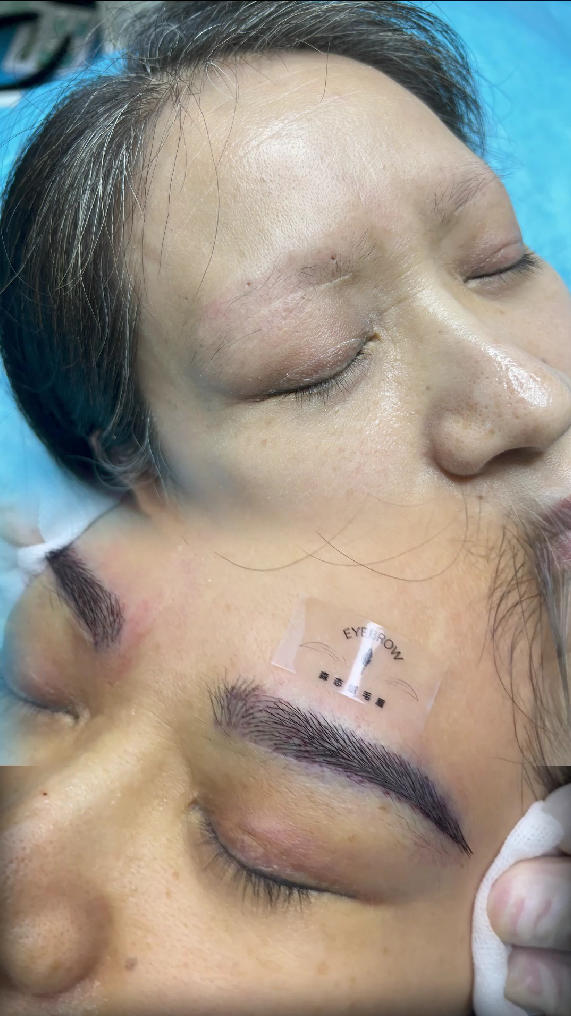
Can I use the hair from my arms/legs for eyebrow transplantation? Hair from others can be transplanted. No, not at all. Because hair transplanted from other areas wouldn’t survive in the eyebrow area. Why is it specifically the back of the head that’s used for transplantation? Because the back of the head has a rich and active blood supply to nourish the hair follicles. Therefore, the hair follicles in this area have higher viability, and the survival rate after transplantation to the eyebrow area can reach 95%. 1. Why Your Own Body Hair (Arms/Legs) Is a “Plan B” Technically, you can transplant hair from your arms or legs to your eyebrows because it is your own tissue. However, surgeons rarely recommend it as the first choice for two main reasons: Lower Survival Rate: While these follicles can survive, they often have a lower “take rate” compared to scalp hair. The growth cycles of body hair are different (shorter), which can lead to unpredictable density. Texture Issues: While arm hair is fine, leg hair can sometimes be too curly or grow in a direction that is hard to manage on the face. 2. Why the Back of the Head (Occipital Area) Is the “Gold Standard” You asked why the back of the head is strictly preferred. It comes down to biology and anatomy: Rich Blood Supply & High Activity:The occipital region (the nape of the neck and the back of the scalp) has an exceptionally rich and active blood supply. This network of capillaries provides intense nourishment to the hair follicles, keeping them in a highly active state. Result: When these robust follicles are moved to the eyebrow area, they adapt quickly to the new environment. Because they are so healthy and well-nourished, the survival rate (graft uptake) can reach up to 95% or higher, ensuring the eyebrows grow in thick and full. Perfect Texture Match:The hair at the very bottom of the hairline (the nape) is naturally finer, softer, and more pliable than the coarse hair on the crown of the head. Result: This texture closely mimics natural eyebrow hair. It lays flat against the skin and has the right amount of curl, creating a realistic “wild” or natural look without looking like stiff bristles. “Donor Dominance” Theory:Hair from this zone is genetically programmed to be permanent (resistant to balding). When moved, it keeps this property, meaning your new eyebrows will last a lifetime. 3. Why You CANNOT Use Hair from Another Person Using hair from another person (even a spouse or sibling) is medically impossible for cosmetic transplants. Here is the science behind why: Immune Rejection (The Core Problem):Hair follicles are living organs containing unique DNA. If you implant someone else’s hair into your skin, your immune system immediately identifies it as a foreign invader (similar to a virus or bacteria). The Consequence:Your body will launch an aggressive attack to destroy the foreign tissue. The transplanted hairs will inevitably die and fall out within 2 to 4 weeks. They will never grow. The Only Way to Prevent This (And Why We Don’t Do It):The only way to stop your body from rejecting another person’s hair is to take powerful immunosuppressant drugs (anti-rejection medication) for the rest of your life. The Risk: These drugs suppress your entire immune system, leaving you vulnerable to severe infections, cancers, and organ damage. The Verdict: No ethical doctor will ever prescribe life-threatening medication for a cosmetic procedure like eyebrows. The risk vastly outweighs the benefit. Summary Conclusion Best Source: The back of your own head. Its superior blood supply ensures 95%+ survival, and its soft texture creates the most natural look. Alternative Source: Your own arm/leg hair (lower survival, used only if scalp hair is unavailable). Forbidden Source: Anyone else’s hair. Your body will reject it due to immune incompatibility, causing 100% failure. Transplantation must always be “Autologous” (from your own body) to be safe and successful.
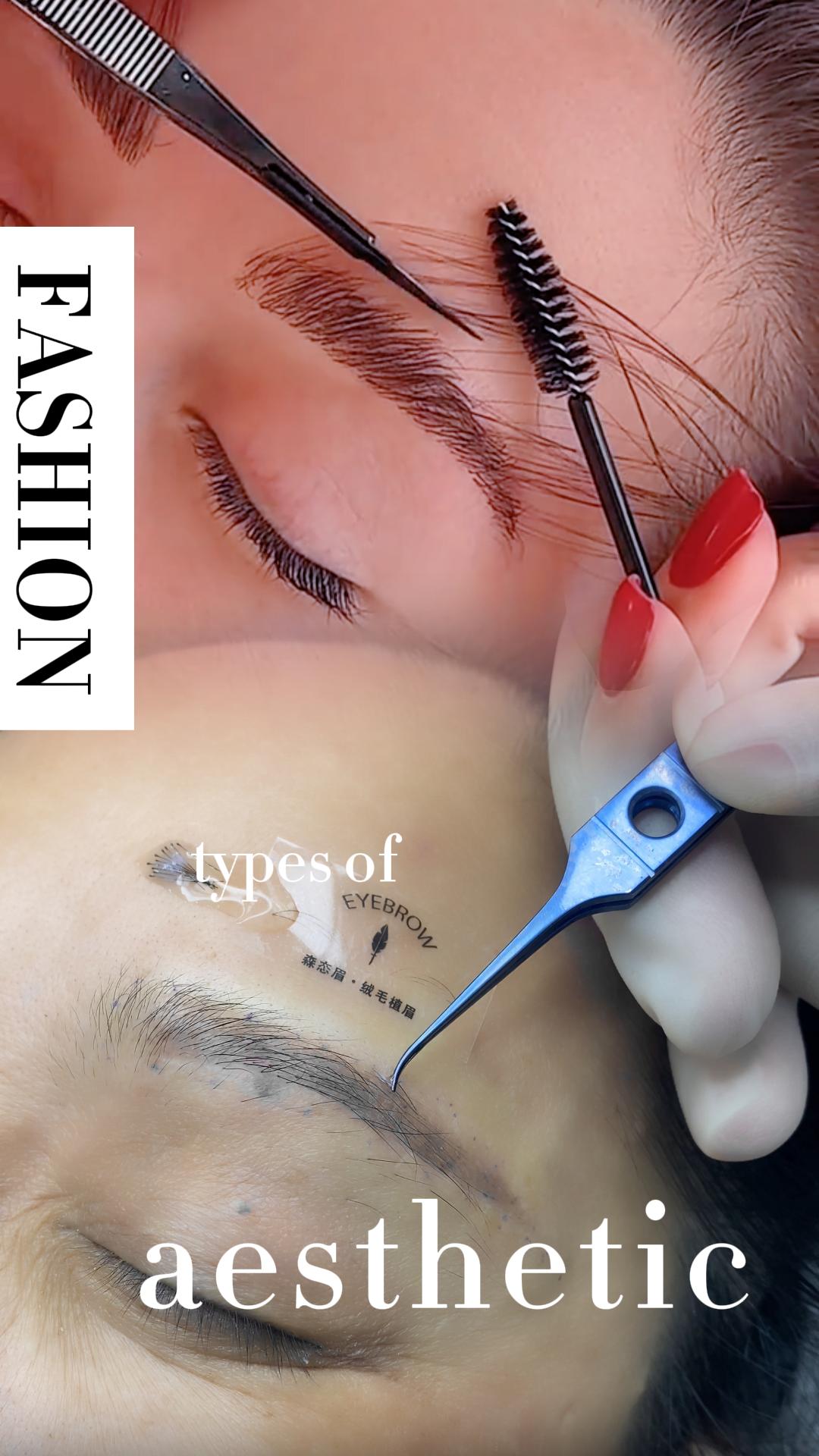
Is eyebrow transplant surgery safe?
Is eyebrow transplant surgery safe? There are potential risks with any type of surgery, including a brow lift. Possible complications from a brow lift surgery could include: Scarring. Infection ✅ Why It Is Considered Safe Local Anesthesia Only: The procedure uses local anesthesia (numbing injections), not general anesthesia. This eliminates the significant risks associated with being “put to sleep” (e.g., respiratory issues, nausea). Minimally Invasive: Modern techniques (like FUE – Follicular Unit Extraction) use tiny micro-punches (0.6mm–0.8mm) to extract and implant follicles. There are no large incisions or stitches required in the eyebrow area. Autologous Tissue: The hair comes from your own body (usually the back of the scalp). This means zero risk of allergic reaction or tissue rejection, which is a common concern in other types of transplants. Outpatient Procedure: You go home the same day, reducing the risk of hospital-acquired infections. ⚠️ Potential Risks & Side Effects While rare, complications can occur. Most are temporary and manageable. 1. Common & Temporary Side Effects (Expected) Swelling & Redness: Mild swelling around the eyes and forehead is common for 2–4 days. Scabbing/Crusting: Tiny scabs form around the grafts and fall off naturally within 7–10 days. Itching: Very common during the healing phase (days 5–14). Shock Loss: Some existing native eyebrow hairs may shed temporarily due to trauma but usually grow back. Numbness: Temporary loss of sensation in the donor or recipient area, typically resolving within weeks or months. 2. Rare but Serious Complications Infection: Risk is low (<1%) if post-op care instructions (cleaning, antibiotics) are followed. Signs include excessive pus, heat, or spreading redness. Poor Growth/Low Survival Rate: If grafts are handled poorly or implanted too deeply/shallowly, they may not grow. This is often due to surgeon inexperience, not the procedure itself. Unnatural Appearance: Eyebrow hair grows differently than scalp hair (it lies flat and has a specific curve). If the surgeon implants scalp hair at the wrong angle, the brows can look like “toothbrushes” or stick straight up. This is the most common aesthetic complaint. Scarring: Donor Area: Tiny white dots (FUE) that are usually hidden by surrounding hair. Recipient Area: Rare if done correctly, but pitting or cobblestoning can occur if incisions are too large. Cyst Formation: Small cysts can form if a follicle grows inward or gets trapped under the skin. These are usually easily treated. 🛡️ How to Ensure Maximum Safety The safety of your procedure depends 90% on the surgeon’s skill and 10% on your aftercare. 1. Choose the Right Surgeon (Critical) Specialization: Look for a surgeon who specializes in facial hair restoration, not just scalp hair. Eyebrow artistry requires a different skill set (angle, direction, curl). Portfolio: Ask to see before-and-after photos of actual patients (not stock images), specifically looking for natural hair direction. Credentials: Ensure they are board-certified in dermatology or plastic surgery and members of recognized societies (e.g., ISHRS, ABHRS). 2. Pre-Op Preparation Disclose Medical History: Tell your doctor about blood thinners, diabetes, autoimmune diseases (like Alopecia Areata), or history of keloid scarring. Stop Smoking/Alcohol: Smoking restricts blood flow and can kill the new grafts. Stop at least 2 weeks before and after surgery. 3. Post-Op Care Follow Instructions: Strictly adhere to cleaning protocols and medication schedules. Don’t Touch: Avoid scratching or picking scabs to prevent dislodging grafts or causing infection. Avoid Sun: Protect the area from direct sunlight for several weeks to prevent hyperpigmentation. 🚫 Who Should Avoid It? (Contraindications) The procedure is not safe or effective for: People with active Alopecia Areata (the immune system will attack the new hair). Those with uncontrolled diabetes or bleeding disorders. Individuals with Trichotillomania (compulsive hair pulling) unless the psychological condition is managed. Pregnant or breastfeeding women (due to anesthesia and medication risks). Summary Verdict Is it safe? Yes.Is it risk-free? No.The key to safety is choosing an experienced specialist. The difference between a natural, life-changing result and a botched, unnatural look often comes down to the surgeon’s technique in handling those tiny, delicate follicles.Recommendation: Schedule consultations with 2–3 reputable surgeons. Ask them specifically: “How do you ensure the hair grows in the correct direction for eyebrows?” Their answer will tell you everything about their expertise.
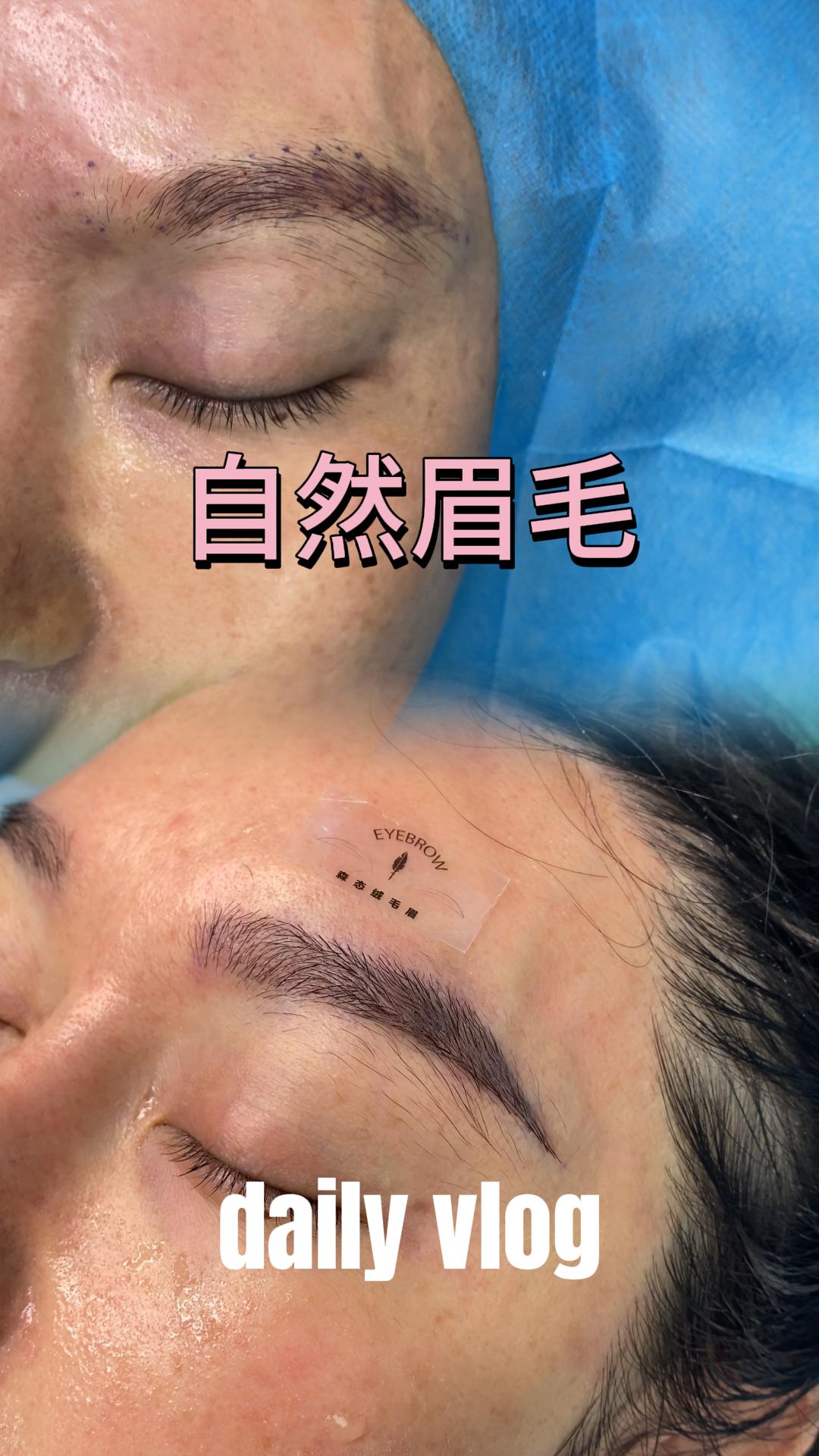
Is there an age limit for eyebrow transplant?
Is there an age limit for eyebrow transplant? While there’s no strict age limit for an eyebrow transplant, candidates should have fully developed eyebrow hair and realistic expectations. Generally, surgeons categorize candidates into three groups: 1. The Ideal Candidate: Ages 25 to 60 This is the “sweet spot” for eyebrow transplants. Why? By age 25, your facial structure and natural hair loss patterns (if any) have usually stabilized. This allows the surgeon to design a brow shape that will look natural as you age. Health: Patients in this range typically heal faster and have good donor hair quality (from the back of the scalp). 2. Younger Patients (Under 25) Most reputable surgeons will hesitate or refuse to perform the procedure on patients under 21–23, unless there is a specific medical reason (e.g., trauma, burns, or congenital absence). The Risk: Hair loss patterns (like alopecia or thinning) may not be fully developed yet. If you get a transplant at 19 and then experience further natural hair loss around the brows or forehead in your late 20s, the transplanted brows might look unnatural or isolated. Psychological Maturity: Surgeons want to ensure the patient has realistic expectations and isn’t making an impulsive decision based on a temporary trend. 3. Older Patients (60+) There is no upper age limit as long as you are in good general health. Key Factors: Donor Hair Quality: The hair at the back of your scalp must be thick and healthy enough to be harvested. Age-related thinning in the donor area can make the procedure difficult or impossible. Healing Ability: Older skin may heal slower, and conditions like diabetes or high blood pressure (if uncontrolled) can increase surgical risks. Skin Elasticity: While less critical for eyebrows than facelifts, very loose skin can sometimes make precise implantation slightly more challenging, though experienced surgeons can manage this. Success Stories: Many patients in their 60s and 70s successfully undergo eyebrow transplants to restore a more youthful, alert appearance. Special Considerations by Age Group Age Group Suitability Key Considerations < 21 ❌ Rarely Recommended Facial features still changing; hair loss pattern unknown. Exceptions: Scars/Burns. 21 – 24 ⚠️ Case-by-Case Requires thorough evaluation of family history and hair loss stability. 25 – 55 ✅ Ideal Stable features, good healing, predictable results. 55 – 70+ ✅ Good (if healthy) Depends on donor hair supply and overall health status. Important Medical Contraindications (Regardless of Age) Even if you are the perfect age, you may not be a candidate if you have: Active Alopecia Areata: An autoimmune condition causing patchy hair loss. Transplanting hair into an area affected by active alopecia often fails because the body attacks the new follicles too. Uncontrolled Diabetes: Can severely impair healing and increase infection risk. Blood Clotting Disorders: Increases bleeding risks during surgery. Trichotillomania: A psychological disorder involving compulsive hair pulling. Transplanting is ineffective until the psychological condition is managed, as the patient may pull out the new grafts. Summary Minimum Age: Typically 21–25 for cosmetic reasons. Maximum Age: None, provided you are healthy and have good donor hair. The Deciding Factor: It is not about your chronological age, but rather the stability of your hair loss, the quality of your donor hair, and your overall health. Recommendation: If you are considering this procedure, schedule a consultation with a board-certified hair restoration surgeon. They will examine your donor area and discuss your medical history to determine if you are a safe candidate, regardless of your age.
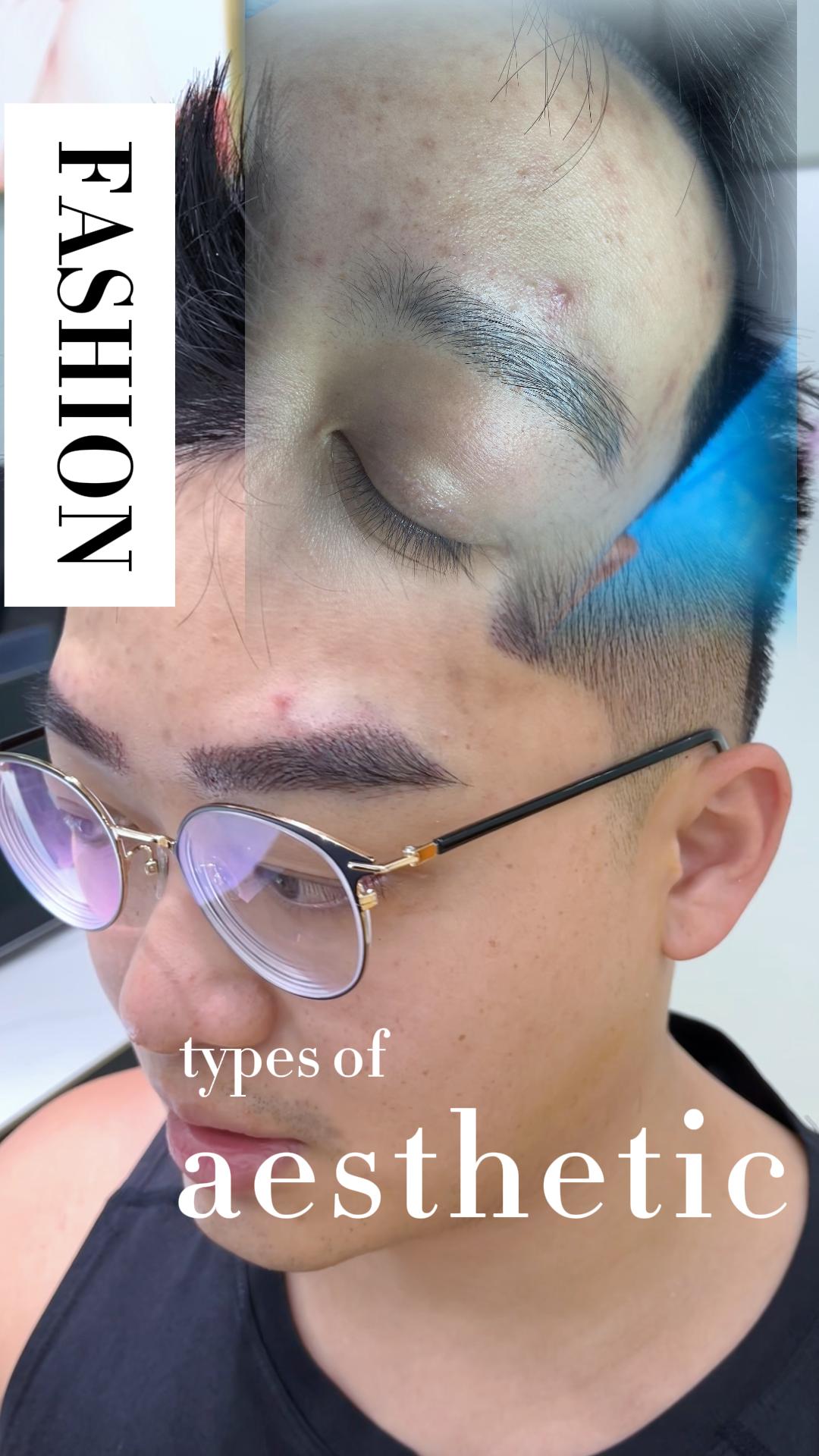
How painful is eyebrow transplant?
How painful is eyebrow transplant? Ideally, an eyebrow transplant procedure should not be painful as you’ll receive general or local anesthesia before the procedure. However, you may experience mild pain in your eyebrows as your skin heals, for which your hair transplant doctor will prescribe you pain medications An eyebrow transplant is generally considered minimally painful, and most patients describe the discomfort as very manageable.Here is a detailed breakdown of what to expect regarding pain at each stage of the procedure: 1. During the Procedure (The Most Critical Part) Local Anesthesia: The entire area (both the donor site on the back of your head and the eyebrow area) is numbed with local anesthesia (usually Lidocaine). The “Pinch”: You will feel a brief pinching or stinging sensation when the anesthetic injections are first administered. This typically lasts only 5–10 seconds per injection site. During Surgery: Once the anesthesia takes effect (within a few minutes), you should feel no sharp pain. You might feel some pressure, tugging, or vibration as the surgeon extracts and implants the follicles, but it should not be painful. Many patients even fall asleep or watch movies during the 2–4 hour procedure. 2. Immediately After (First 24 Hours) Wearing Off: As the anesthesia wears off (usually 2–4 hours after surgery), you may experience a mild throbbing, tingling, or tenderness in the eyebrow and donor areas. Pain Level: On a scale of 1–10, most patients rate this around 2 or 3. It is often compared to a mild sunburn or a slight headache. Management: Over-the-counter pain relievers (like Tylenol/Paracetamol) prescribed by your doctor are usually sufficient to keep you comfortable. Ice packs (applied carefully around, not directly on, the grafts) can also help reduce swelling and discomfort. 3. The First Few Days (Days 2–5) Itching: The most common sensation during this phase is itching as the tiny scabs begin to form and the skin heals. This can be more annoying than painful. Crucial: Do not scratch! Scratching can dislodge the newly implanted grafts. Doctors usually prescribe anti-itch sprays or antihistamines. Tightness: You might feel a sense of tightness in the donor area (back of the head), similar to a tight ponytail feeling. Sleeping: Sleeping on your back with your head elevated is required, which might cause some neck stiffness, but not pain from the transplant itself. 4. Comparison: Eyebrow vs. Scalp Hair Transplant Eyebrows are often LESS painful than scalp transplants. The scalp has a thicker layer of tissue and requires hundreds/thousands of grafts, leading to more post-op soreness. Eyebrows require far fewer grafts (typically 200–400 per brow), meaning less trauma to the skin and a quicker, more comfortable recovery. Summary of Pain Levels Stage Sensation Pain Level (1-10) Duration Anesthesia Injection Sharp pinch/sting 4–5 Seconds During Surgery Pressure/Tugging (No pain) 0–1 2–4 Hours First Night Mild throbbing/tenderness 2–3 12–24 Hours Days 2–5 Itching/Tightness 1–2 Few Days Day 7+ None 0 – Tips to Minimize Discomfort Relax: Anxiety makes pain feel worse. Bring headphones and listen to music or podcasts during the procedure. Follow Post-Op Instructions: Use the prescribed saline sprays and ointments exactly as directed to prevent crusting and itching. Avoid Blood Thinners: Stop taking aspirin, ibuprofen, or alcohol a few days before surgery (as advised by your doctor) to minimize bleeding and swelling. Sleep Elevated: Keep your head elevated for the first 3 nights to reduce swelling, which indirectly reduces pressure and pain. Conclusion:If you are worried about pain, don’t be. The vast majority of patients report that the anticipation is worse than the actual procedure. The brief sting of the needle is the only significant discomfort, and the recovery is surprisingly easy compared to other cosmetic surgeries.
Does eyebrow transplant look natural?
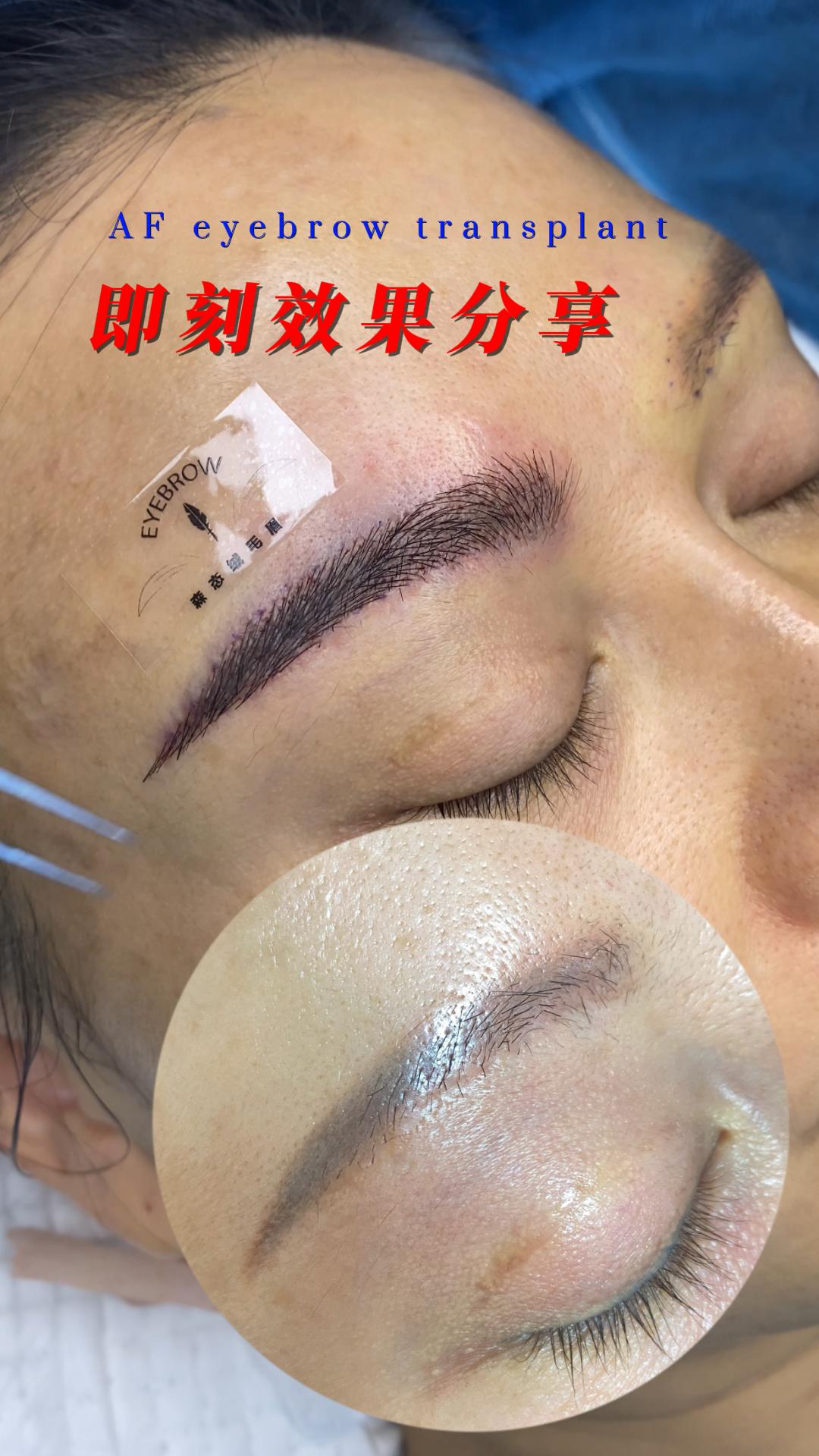
Does eyebrow transplant look natural? Natural-Looking Eyebrows Eyebrow transplantation or Eyebrow transplants is one of the most aesthetically challenging procedures to perform, but when done by an expert, can be truly natural looking. Eyebrow transplants can look quite natural, but the final result depends on several factors: Skill of the Surgeon: This is perhaps the most crucial factor. An experienced surgeon will have an artistic eye to design the brow shape, density, and direction of hair growth to mimic natural eyebrows. Hair Follicle Selection: Donor hairs are typically taken from the scalp (usually the back of the head). The surgeon needs to select hairs that closely match the texture and Caliber of natural eyebrow hairs. Scalp hairs grow longer than eyebrow hairs, so they will need regular trimming. Hair Direction and Angle: Natural eyebrows have hairs that grow in different directions and at specific angles. A skilled surgeon will implant the new follicles to replicate this natural growth pattern. Patient’s Natural Brows: The existing eyebrow hair and facial structure will influence how well the transplant blends in. Healing Process: Swelling and temporary redness are normal after the procedure. The transplanted hairs will shed before new growth begins, which can take several months. When done well, eyebrow transplants can seamlessly blend with your existing brows and provide a very natural appearance. However, if not done correctly, they can look pluggy, too dense, or have an unnatural growth direction. It’s essential to research and choose a board-certified dermatologist or plastic surgeon who specializes in hair restoration for the best possible outcome. They should be able to show you before-and-after photos of their previous work.
How much does eyebrow transplant cost?
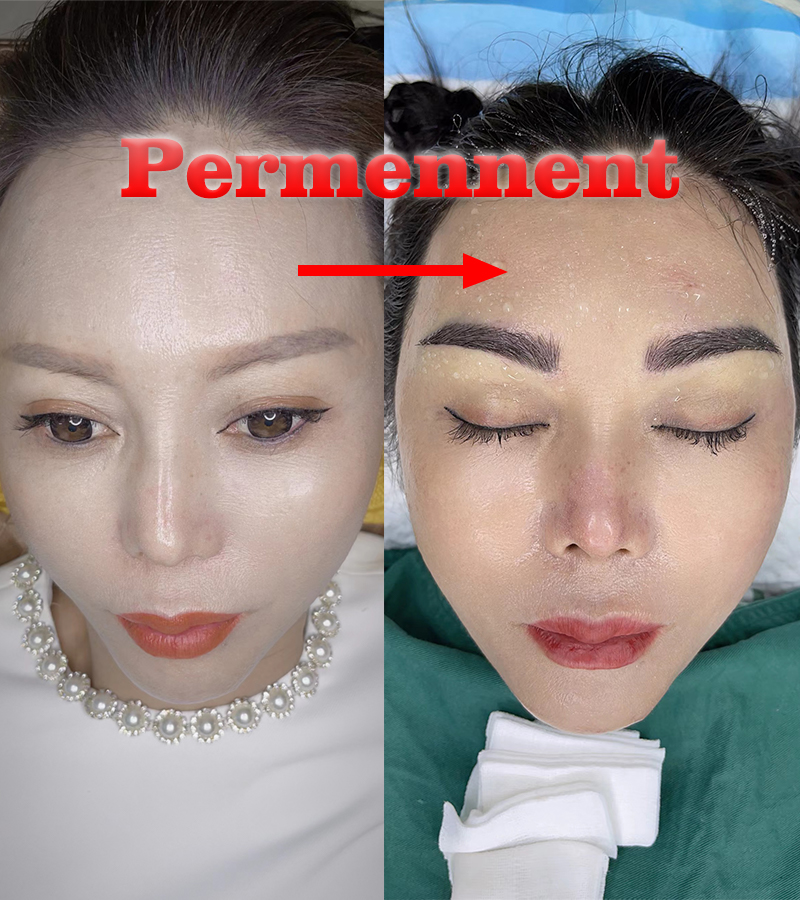
How much does eyebrow transplant cost? At Our Clinic, we believe in personalized beauty—which is why every eyebrow transplant procedure is custom-priced based on your unique needs. Rest assured, there are no hidden fees, only honest expertise honed over 12+ years and 10,000+ transformations. How Pricing Works 🔍 Tailored to Your Needs: Price Range: 1,885–3,300 USD Your final cost depends on the complexity of your case, including: Degree of eyebrow hair loss (sparse, partial, or full baldness). Correction of previous tattooed brows (faded, uneven, or discolored pigment). Scarring from microblading, accidents, or medical conditions. Your journey starts with a FREE consultation to assess your needs. Why Clients Trust Us ✅ Design First, Perfect Later:We never rush into the procedure. Using precision tools, our artists will draw your dream brow shape with a pencil, adjusting every curve until you’re 100% satisfied. You approve the design—we bring it to life. ✅ Flawless Results, Minimal Downtime:Our patented AF transplant technology ensures: Tiny, painless incisions (no scarring or bleeding). 2-5 day recovery (return to work immediately). 95%+ hair survival rate (natural, lasting density). ✅ All Cases Welcome: Tattooed brows turned blue/gray? We neutralize and rebuild. Scarred or over-plucked brows? We camouflage and restore. Complete baldness? We craft soft, eyebrow-like strokes that mimic nature. Your Next Steps ✨ Free Virtual Consultation:Send us clear photos of your brows, and our experts will provide a personalized quote within 24 hours. ✨ Limited-Time Assurance:Book your procedure within 30 days. Don’t Settle for “Maybe” Brows—Choose AF Embroidery.World-class expertise, natural results, and pricing as unique as you. 📩 Reply now with “QUOTE” to start your transformation!Or click below to schedule your FREE consultation:[Book Your Consultation Today] Why this works: Transparency builds trust by explaining pricing variables upfront. Guarantees (free design approval, high survival rate) reduce anxiety. Urgency (limited-time offer) encourages prompt action. Inclusivity reassures clients with diverse needs (scarring, baldness, etc.). Reinforces clinic authority with stats (12 years, 10,000+ cases).
How long do eyebrow transplants last?
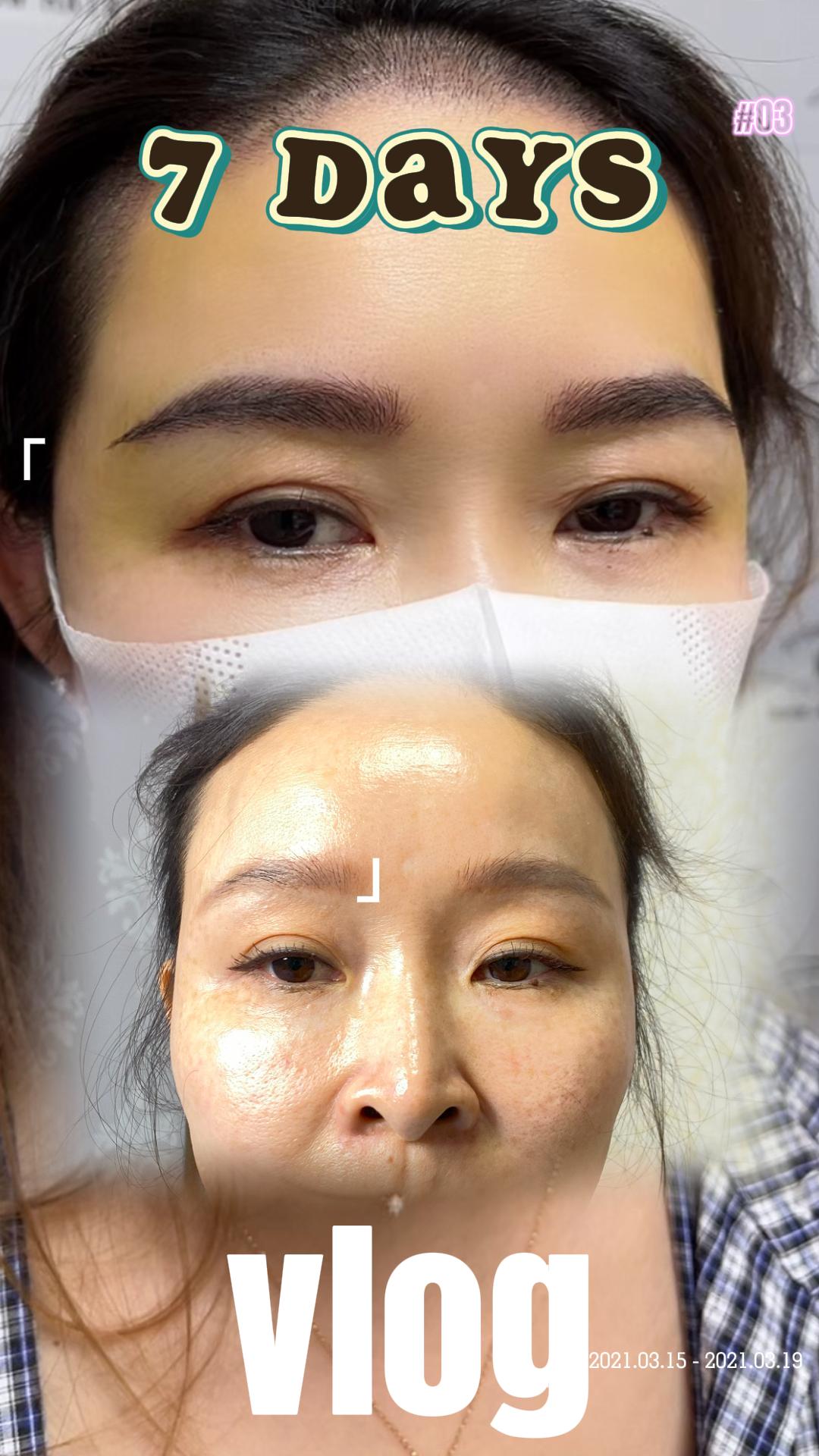
How long do eyebrow transplants last? In the realm of cosmetic enhancement, eyebrow transplants have emerged as a revolutionary solution for those seeking to achieve perfect, natural – looking eyebrows. A common question that lingers in the minds of many potential candidates is, “How long do eyebrow transplants last?” The answer, quite simply, is that eyebrow transplants can offer a permanent solution. The Science Behind Permanent Results Eyebrow transplants fall under the umbrella of cosmetic medical technology. The process involves harvesting healthy hair follicles from a donor area, typically the back of the head, and transplanting them into the eyebrow region. Once these follicles are successfully implanted and establish a blood supply in their new location, they continue to grow, just like natural eyebrow hair. This is because the transplanted follicles retain their original genetic programming, which determines their growth characteristics. Introducing Our Revolutionary AF Transplant Technique At Clinic Sentai Eyebrow, we take pride in our self – developed AF transplant technique, which represents a quantum leap in the field of eyebrow transplantation. This technique is designed to address the shortcomings of traditional methods such as FUE (Follicular Unit Extraction) and DHI (Direct Hair Implantation). Minimized Trauma, Swift Recovery The AF transplant technique is characterized by its minimally invasive nature. Unlike some older methods that may cause significant trauma to the donor and recipient areas, our AF technique ensures that the extraction and implantation of follicles are carried out with utmost precision, resulting in minimal damage to surrounding tissues. This not only reduces post – operative pain but also significantly shortens the recovery period. Patients can expect to return to their normal daily activities much sooner, with minimal visible signs of the procedure.Exceptionally High Survival RateOne of the most remarkable features of the AF transplant technique is its incredibly high follicle survival rate, reaching up to 95%. This is achieved through a combination of advanced extraction tools and a meticulous implantation process. Our team of experienced surgeons carefully selects and prepares each follicle for transplantation, ensuring that they are in the best possible condition to thrive in their new environment. The high survival rate means that patients can enjoy a fuller, more natural – looking eyebrow in a single procedure, without the need for multiple touch – ups. Custom – Designed, Perfect Eyebrows We understand that each individual has unique aesthetic goals when it comes to their eyebrows. With the AF transplant technique, our surgeons are able to create customized eyebrow shapes that complement each patient’s facial features, personal style, and individual preferences. By carefully controlling the direction, density, and distribution of the transplanted follicles, we can achieve a result that looks completely natural and enhances the overall beauty of the face. The Immediate Impact of AF Technique The AF transplant technique offers patients an immediate and visible transformation. As soon as the procedure is completed, patients can see the beginnings of their new, beautiful eyebrows. The carefully implanted follicles are already in place, and while they will go through a natural growth cycle, the initial shape and density are designed to be aesthetically pleasing from the start. This immediate result provides patients with a sense of confidence and satisfaction, knowing that they are on their way to achieving their dream eyebrows.In conclusion, if you are considering an eyebrow transplant, the AF transplant technique offers a permanent, minimally invasive, and highly effective solution. With its high survival rate and ability to create customized, natural – looking eyebrows, it represents the pinnacle of modern eyebrow transplantation technology. Say goodbye to sparse or uneven eyebrows and hello to a more confident, beautiful you with our AF transplant technique.
Microblading VS Eyebrow Transplant: Which Is Better?
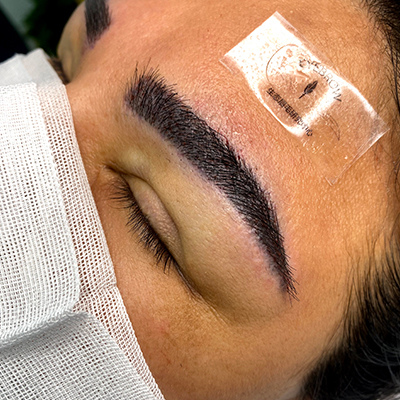
Microblading VS Eyebrow Transplant: Which Is Better? Eyebrow Transplant VS Microblading/Tattooing: Why AF Eyebrow Transplant Wins When choosing between traditional eyebrow tattooing/microblading and modern AF Eyebrow Transplant, the difference is clear. Here’s why our clients never look back: 1. Natural Results vs. Artificial “Stamped” Brows ❌ Tattooed/Microbladed Brows: Flat, unnatural “blocks” of pigment that fade to odd colors (blue, gray, or red). Rigid shapes that clash with facial features as trends change. Damages natural hair follicles, causing long-term thinning or baldness. ✅ AF Eyebrow Embroidery: Mimics real eyebrow strands with ultra-fine, feather-like strokes. Blends seamlessly with existing brows for undetectable fullness. Zero damage to natural eyebrow—ideal for sparse or scarred brows. 2. Permanent Perfection vs. Costly Touch-Ups ❌ Tattooed/Microbladed Brows: Fades within 6–12 months, requiring expensive, painful touch-ups. Pigments blur over time, creating messy, “watercolor” effects. Scarring risks with repeated procedures. ✅ AF Eyebrow Transplant: Natural & Lifelike Results, Permanent & Fade-Proof Perfection 95%+ hair survival rate ensures brows age naturally with you. One-time investment—no recurring costs or downtime. 3. Safe for All Cases vs. Limited Solutions ❌ Tattooed/Microbladed Brows: Fails on scarred, oily, or sensitive skin. Cannot correct existing botched tattoos or baldness. High risk of asymmetry or over-saturation. ✅ AF Eyebrow Embroidery: Works on ALL skin types, including scarred or tattooed brows. Neutralizes discolored pigments and rebuilds bald areas. Custom designs approved by you pre-procedure for guaranteed symmetry. The Verdict Traditional methods leave clients stuck in a cycle of fading, regret, and damage. AF Eyebrow Transplant solves every pain point: Natural: Looks 100% real, even up close. Permanent result Universal: Fixes scars, baldness, and botched tattoos. Confidence: Brows that evolve gracefully with your face. Don’t Risk Another Disappointment—Choose the Gold Standard.👉 Book a FREE consultation to see how we can transform your brows, even if others failed you. Why this works: Directly contrasts pain points (fading, scarring, unnatural looks) with AF’s solutions. Uses simple, bold comparisons to educate clients on key differences. Targets emotional frustrations (“regret,” “disappointment”) to drive action. Positions AF as the superior, worry-free alternative.
What is the process of af eyebrow transplant
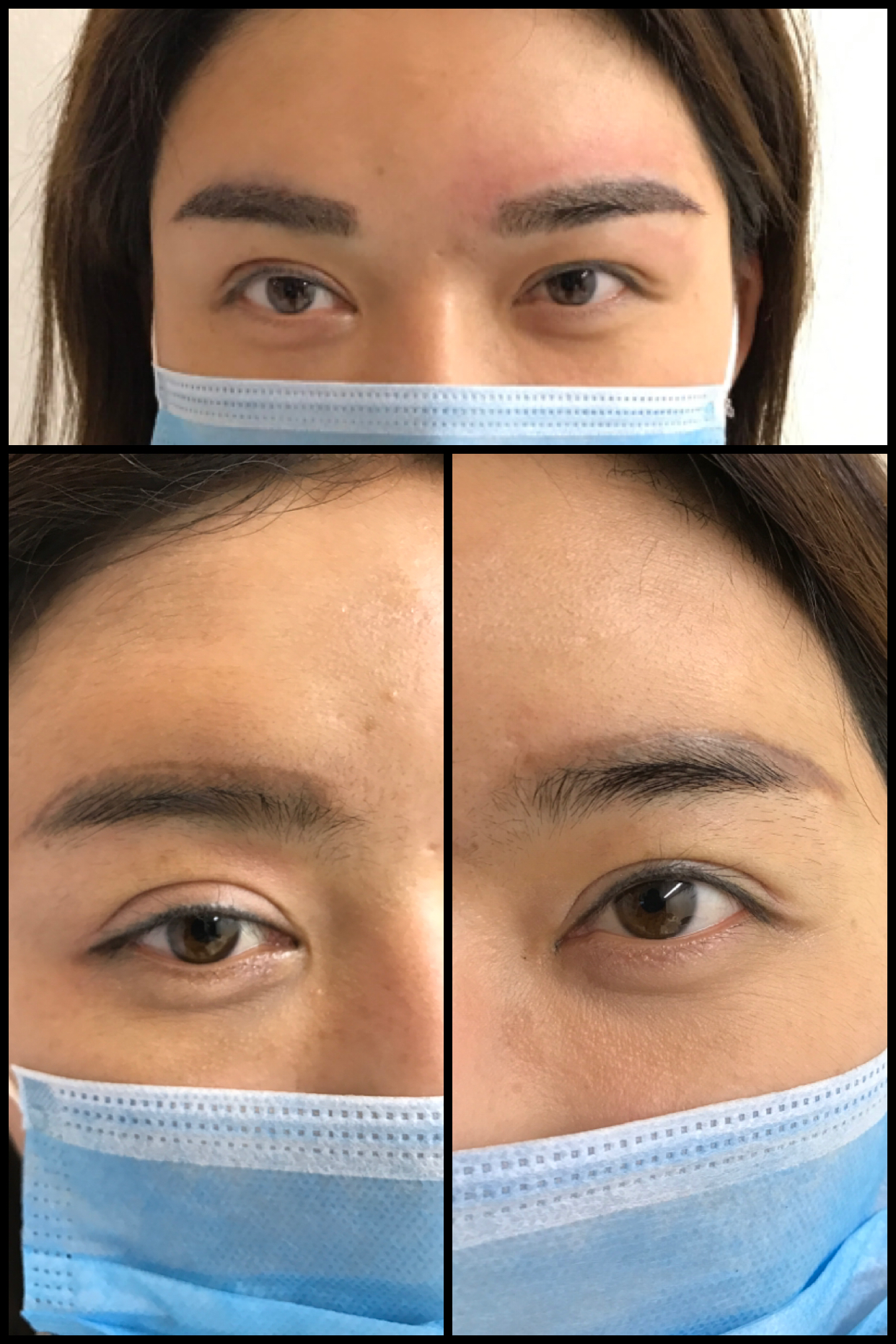
What is the process of af eyebrow transplant Step 1: We will do a routine blood test for the customer first, wait 10 minutes after the report comes out, if there is no problem with the routine blood report, we can do the project for the customer Step 2: We first use eyebrow pencil to design eyebrow shape according to the customer’s face shape and customer’s needs, until the customer is satisfied, we will start the next step Step 3: We start shaving the client’s hair. This area is at the back of the head. The hair follicles in this area belong to the fluff, which is very natural and close to the softness of the eyebrows Step 4: We will inject a local anesthetic into the hair follicle area (the client will be awake during the whole process) Step 5: The doctor will first punch holes in the hair follicles with a hair follicle extraction machine, and then remove the hair follicles with tweezers. The extracted hair follicles will be stored in a cold treatment technique (the method of removing hair follicles is to use a spatial arrangement, so that there is no obvious missing hair follicles). Step 6: While the doctor plucks the hair follicles, the assistant will separate the follicles Step 7: After taking the required number of hair follicles, the doctor will inject a local anesthetic into the client’s eyebrow planting area Step 8: The doctor implants the hair follicles separated by the assistant into the eyebrows one by one, according to the designed eyebrow shape (the whole process takes about 2-4 hours, depending on how many eyebrows the client is missing) Why Trust Our Process? ✅ No Scarring, No Downtime: Our micro-incisions heal invisibly—return to work or social plans the next day.✅ Natural Growth: Transplanted hairs blend seamlessly and grow like real eyebrows.✅ 12+ Years of Mastery: Perfected over 10,000+ cases, trusted by clients and professionals worldwide. Ready to Restore Your Brows?📅 Book a consultation to see how we can craft your perfect, natural-looking eyebrows. Why this works: Clarity: Simplifies complex medical steps into client-friendly language. Empathy: Addresses unspoken fears (pain, scarring, unnatural results). Authority: Reinforces expertise with stats and technical details. Reassurance: Highlights safety, comfort, and proven outcomes.