
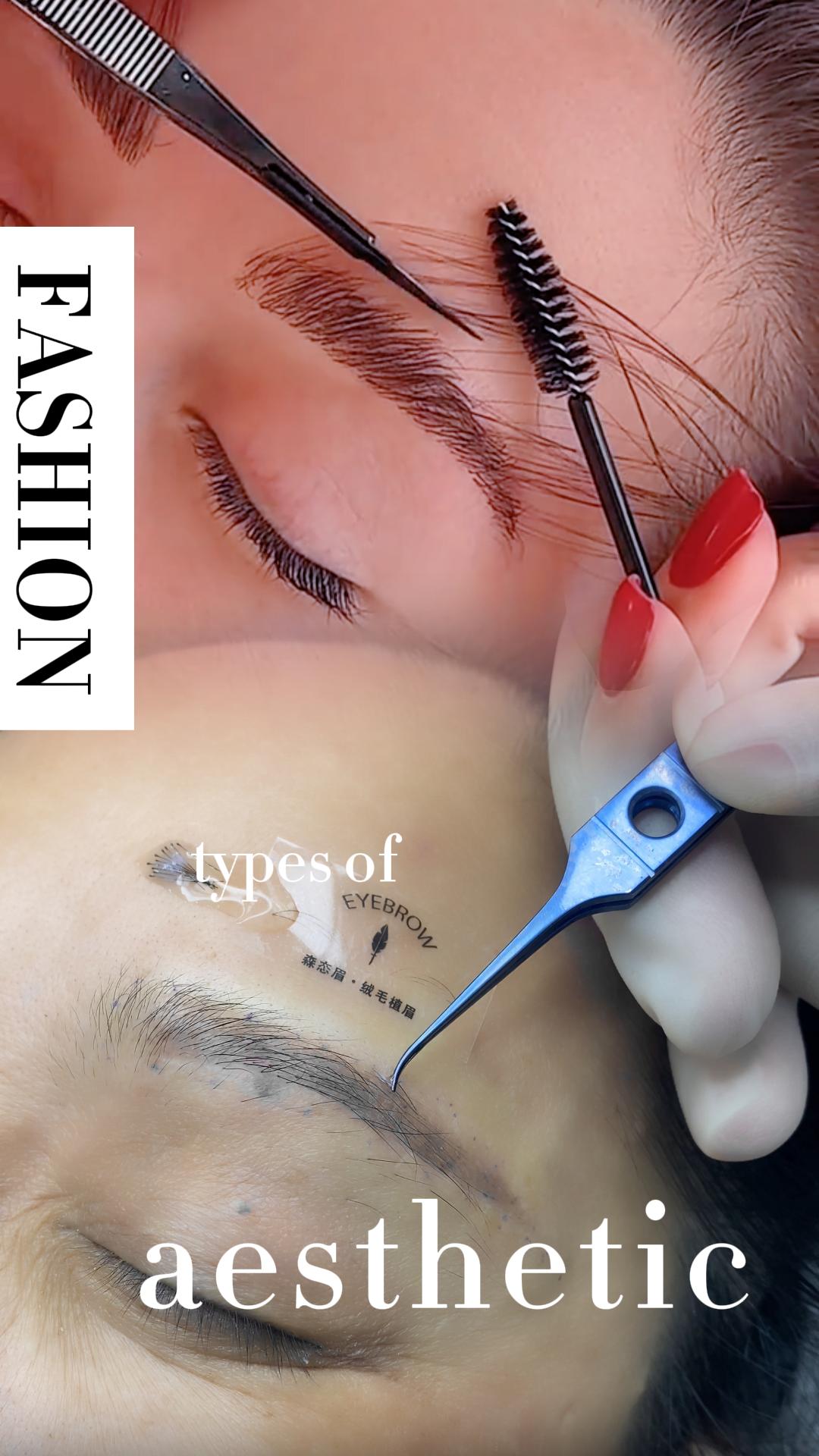
Is eyebrow transplant surgery safe?

9月23日-封面

There are potential risks with any type of surgery, including a brow lift. Possible complications from a brow
lift surgery could include: Scarring. Infection


✅ Why It Is Considered Safe

  1. Local Anesthesia Only: The procedure uses local anesthesia (numbing injections), not general anesthesia. This eliminates the significant risks associated with being “put to sleep” (e.g., respiratory issues, nausea).
  2. Minimally Invasive: Modern techniques (like FUE – Follicular Unit Extraction) use tiny micro-punches (0.6mm–0.8mm) to extract and implant follicles. There are no large incisions or stitches required in the eyebrow area.
  3. Autologous Tissue: The hair comes from your own body (usually the back of the scalp). This means zero risk of allergic reaction or tissue rejection, which is a common concern in other types of transplants.
  4. Outpatient Procedure: You go home the same day, reducing the risk of hospital-acquired infections.

⚠️ Potential Risks & Side Effects

While rare, complications can occur. Most are temporary and manageable.

1. Common & Temporary Side Effects (Expected)

  • Swelling & Redness: Mild swelling around the eyes and forehead is common for 2–4 days.
  • Scabbing/Crusting: Tiny scabs form around the grafts and fall off naturally within 7–10 days.
  • Itching: Very common during the healing phase (days 5–14).
  • Shock Loss: Some existing native eyebrow hairs may shed temporarily due to trauma but usually grow back.
  • Numbness: Temporary loss of sensation in the donor or recipient area, typically resolving within weeks or months.

2. Rare but Serious Complications

  • Infection: Risk is low (<1%) if post-op care instructions (cleaning, antibiotics) are followed. Signs include excessive pus, heat, or spreading redness.
  • Poor Growth/Low Survival Rate: If grafts are handled poorly or implanted too deeply/shallowly, they may not grow. This is often due to surgeon inexperience, not the procedure itself.
  • Unnatural Appearance: Eyebrow hair grows differently than scalp hair (it lies flat and has a specific curve). If the surgeon implants scalp hair at the wrong angle, the brows can look like “toothbrushes” or stick straight up. This is the most common aesthetic complaint.
  • Scarring:
    • Donor Area: Tiny white dots (FUE) that are usually hidden by surrounding hair.
    • Recipient Area: Rare if done correctly, but pitting or cobblestoning can occur if incisions are too large.
  • Cyst Formation: Small cysts can form if a follicle grows inward or gets trapped under the skin. These are usually easily treated.

🛡️ How to Ensure Maximum Safety

The safety of your procedure depends 90% on the surgeon’s skill and 10% on your aftercare.

1. Choose the Right Surgeon (Critical)

  • Specialization: Look for a surgeon who specializes in facial hair restoration, not just scalp hair. Eyebrow artistry requires a different skill set (angle, direction, curl).
  • Portfolio: Ask to see before-and-after photos of actual patients (not stock images), specifically looking for natural hair direction.
  • Credentials: Ensure they are board-certified in dermatology or plastic surgery and members of recognized societies (e.g., ISHRS, ABHRS).

2. Pre-Op Preparation

  • Disclose Medical History: Tell your doctor about blood thinners, diabetes, autoimmune diseases (like Alopecia Areata), or history of keloid scarring.
  • Stop Smoking/Alcohol: Smoking restricts blood flow and can kill the new grafts. Stop at least 2 weeks before and after surgery.

3. Post-Op Care

  • Follow Instructions: Strictly adhere to cleaning protocols and medication schedules.
  • Don’t Touch: Avoid scratching or picking scabs to prevent dislodging grafts or causing infection.
  • Avoid Sun: Protect the area from direct sunlight for several weeks to prevent hyperpigmentation.

🚫 Who Should Avoid It? (Contraindications)

The procedure is not safe or effective for:
  • People with active Alopecia Areata (the immune system will attack the new hair).
  • Those with uncontrolled diabetes or bleeding disorders.
  • Individuals with Trichotillomania (compulsive hair pulling) unless the psychological condition is managed.
  • Pregnant or breastfeeding women (due to anesthesia and medication risks).

Summary Verdict

Is it safe? Yes.
Is it risk-free? No.
The key to safety is choosing an experienced specialist. The difference between a natural, life-changing result and a botched, unnatural look often comes down to the surgeon’s technique in handling those tiny, delicate follicles.
Recommendation: Schedule consultations with 2–3 reputable surgeons. Ask them specifically: “How do you ensure the hair grows in the correct direction for eyebrows?” Their answer will tell you everything about their expertise.

AF EYEBROW TRANSPLANT

Company Letter head:深圳森态植眉医学投资有限公司(Shenzhen Sentai planting eyebrow Medical Investment Co., LTD)

Technical founder of AF eyebrow transplant

Contact more information